Creating Your Personal Library: A Comprehensive Guide
Building a home library is more than collecting books - it's creating a sanctuary for thought and imagination.
Read ArticleDecember 15, 2025 • 8 min read • By Look and Book Editorial Team
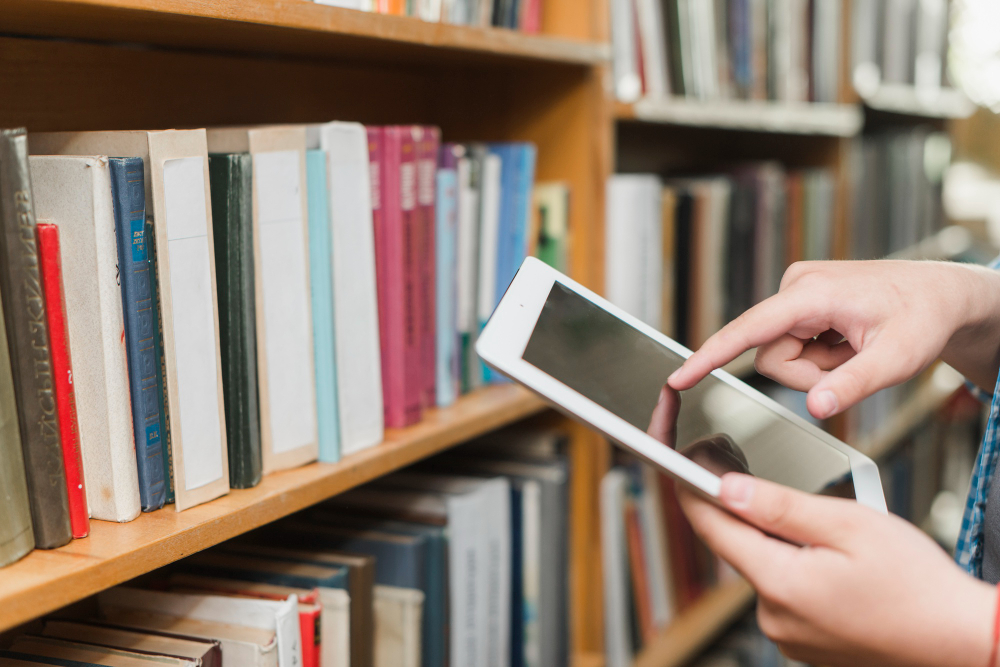
In an era defined by screens, notifications, and endless digital content, something unexpected is happening: physical books are making a comeback. Despite predictions of their demise, printed books are experiencing a renaissance that surprises even industry experts.
A decade ago, many predicted that printed books would become obsolete relics of the past. Electronic readers promised convenience, portability, and instant access to entire libraries. Yet today, bookstores are thriving, independent publishers are flourishing, and readers across demographics are rediscovering the joy of holding a physical book.
Recent studies reveal that physical book ownership among readers aged eighteen to thirty has increased steadily over the past five years. This generation, raised entirely in the digital age, is deliberately choosing printed pages over pixels. The trend challenges our assumptions about technology and reading habits.
Part of the appeal lies in the multisensory nature of physical books. The weight of a volume in your hands, the texture of paper beneath your fingers, the distinctive scent of ink and binding - these tangible qualities create a reading experience that screens cannot replicate. Neuroscience research suggests that this physicality enhances memory retention and comprehension.
There is something profound about turning pages, about seeing your progress through a book as the left stack grows and the right diminishes. This visible journey through a narrative creates a different relationship with the text than scrolling through a digital device. Readers report feeling more connected to stories experienced through physical books, as if the object itself becomes part of the memory of reading.
Physical books create what researchers call "embodied cognition" - the idea that our physical interactions with objects influence how we process information. The tactile experience of reading a printed book may actually help us understand and remember what we read.
Perhaps more significantly, physical books offer respite from screen fatigue and digital distraction. In a world where every device competes for our attention with notifications, emails, and endless content streams, a printed book demands nothing but focused engagement. It cannot ping, buzz, or tempt you toward other applications. This single-purpose nature makes books powerful tools for deep reading and sustained attention.
Many readers describe turning to physical books as an act of intentional disconnection - a way to reclaim time and attention from the digital realm. The simple act of choosing a book, settling into a comfortable space, and reading without interruption becomes a form of meditation in our hyperconnected age.
Modern book design has elevated printed volumes to art objects. Publishers recognize that physical books must justify their material existence by offering something beyond mere content delivery. Beautiful cover designs, thoughtful typography, high-quality paper, and elegant binding transform books into objects worthy of display and collection.

The rise of bookstagram and literary social media demonstrates how physical books have become aesthetic objects that people proudly share and display. Personal libraries become curated expressions of identity, with each spine on the shelf representing not just a story read but a choice made, a value expressed, an intellectual journey documented.
The resurgence of physical books has breathed new life into independent bookstores, transforming them into community hubs. These spaces offer more than retail transactions - they provide literary events, book clubs, author readings, and gathering places for readers. Shopping for physical books becomes a social experience that online algorithms cannot replicate.
Many readers report that browsing physical shelves leads to serendipitous discoveries that algorithmic recommendations never offer. The randomness of what catches your eye, the unexpected find on a sale table, the conversation with a knowledgeable bookseller - these human elements of book discovery cannot be digitized.
Critics often raise environmental concerns about physical book production. However, the environmental calculus is more complex than it appears. While printed books require paper and ink, electronic readers demand rare earth minerals, energy-intensive manufacturing, and eventual electronic waste disposal. Studies suggest that an electronic reader must be used extensively to offset its environmental footprint compared to printed books.
Moreover, physical books can be shared, donated, resold, and passed down through generations - creating a circular economy that digital files cannot match. A single physical book might be read by dozens of people over its lifetime, while digital copies remain isolated in individual devices.
of readers prefer physical books over digital formats
increase in independent bookstore openings since 2020
average number of physical books purchased annually per reader
The renaissance of physical books does not signal the death of digital reading but rather suggests a more nuanced future where both formats coexist and serve different needs. Some books call for the convenience of digital access, while others demand the immersive experience that only physical pages provide.
What this trend reveals is something profound about human nature: we are not purely rational consumers of information. We value beauty, ritual, and tangible connection with the objects in our lives. Books represent more than content delivery systems - they are cultural artifacts, decorative objects, gifts, heirlooms, and companions on our intellectual journeys.
As we navigate an increasingly digital world, physical books remind us that not everything needs to be optimized, streamlined, or digitized. Sometimes the old ways persist because they offer something irreplaceable. The weight of a book in your hands, the anticipation of turning a page, the satisfaction of closing a cover on a completed story - these simple pleasures endure because they tap into something fundamental about how we experience and remember the narratives that shape our lives.
More insights from our literary blog
 Guide
Guide
Building a home library is more than collecting books - it's creating a sanctuary for thought and imagination.
Read Article